Affordable housing remains a critical challenge in many regions, with growing populations and urbanization putting pressure on housing availability. Residential plotted development offers a practical and sustainable solution to this problem by providing land parcels that individuals can buy and develop according to their needs. This approach empowers homebuyers to build customized homes within budget constraints, making homeownership more accessible. By unlocking the potential of plotted developments, communities can benefit from affordable, flexible, and sustainable housing options that contribute to social and economic growth.
Understanding Residential Plotted Development
Residential plotted development involves dividing a larger tract of land into smaller, ready-to-build plots. These plots are sold to buyers who can then construct homes as per their preferences and financial capacity. This method differs from purchasing pre-built houses, offering more control and affordability.
Residential Plotted Development Supports Affordable Housing
- Cost-Effective Ownership: HOABL Plots in Vrindavan generally costs less than fully constructed houses, reducing the initial financial burden for homebuyers.
- Flexible Construction: Buyers can build their homes in phases, spreading costs over time and avoiding large upfront expenses.
- Customization: Owners can design homes suited to their specific needs, allowing better resource use and satisfaction.
- Lower Maintenance: New constructions on plots often have fewer repair issues compared to older houses, reducing long-term expenses.
- Investment Value: Land tends to appreciate over time, providing a valuable asset to owners.
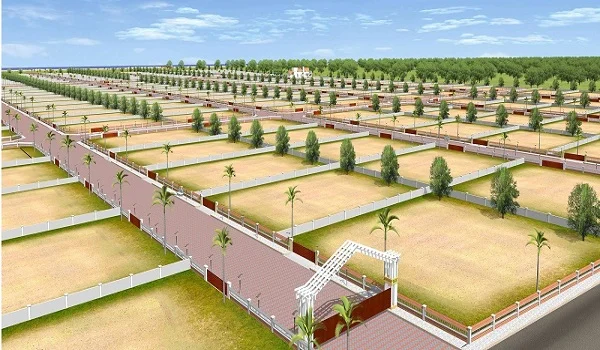
Benefits of Residential Plotted Development in Affordable Housing
- Accessibility: Plots are often priced to be within reach of middle and lower-income families, opening doors to homeownership.
- Community Growth: Properly planned developments include infrastructure like roads, water, and electricity, fostering vibrant neighborhoods.
- Sustainability: Homeowners can adopt eco-friendly building practices, contributing to greener living spaces.
- Government Support: Many governments encourage plotted development through subsidies, relaxed regulations, and affordable financing schemes.
- Economic Empowerment: Homeownership promotes financial stability and social upliftment for families.
Key Factors for Successful Plotted Development Projects
- Location: Proximity to essential services such as schools, markets, and transport enhances the attractiveness of the plots.
- Infrastructure: Adequate basic facilities like water supply, drainage, and electricity must be guaranteed.
- Clear Legal Title: Ensuring transparent and verified ownership rights prevents disputes and builds buyer confidence.
- Affordable Pricing Models: Tiered pricing or installment payment plans can widen accessibility.
- Developer Credibility: Trustworthy developers with a track record ensure quality and timely delivery.
Final Thoughts
Residential plotted development is a powerful tool in making affordable housing achievable for many. It offers flexibility, lower costs, and opportunities for customization while fostering sustainable community growth. For policymakers, developers, and homebuyers alike, embracing plotted development can unlock long-term social and economic benefits.
- Provides affordable land ownership options
- Enables phased, flexible home construction
- Encourages customization and sustainable building
- Supported by government schemes and incentives
- Enhances community infrastructure and growth
- Promotes economic stability and asset building
By focusing on these strengths, residential plotted development can significantly ease the burden of housing shortages and pave the way for inclusive, affordable living environments.