Dairy cow isopods are becoming a popular addition to bioactive habitats because of their energetic behavior, attractive patterns, and excellent cleaning abilities. These small crustaceans help maintain balanced living environments by naturally breaking down waste materials and supporting healthier substrate conditions. Their active movement also adds life and visual interest to terrariums and natural enclosures. These isopods thrive in moist, well-maintained habitats where they can explore, burrow, and recycle organic matter. Their ability to contribute to natural ecosystems makes them a valuable choice for hobbyists who want cleaner and more self-sustaining environments.
Dairy Cow Isopods Stand Out
Dairy cow isopods are appreciated for their strong appetite, rapid activity, and hardy nature. They adapt well to bioactive setups and continuously work beneath the surface to improve habitat quality. Many hobby enthusiasts enjoy caring for inverts because they create fascinating displays and encourage exciting discoveries about miniature ecosystems daily.
Key Benefits of Keeping Them
- Break down decaying leaves and leftover organic material
- Help reduce buildup of waste inside enclosures
- Improve substrate aeration through movement and burrowing
- Support healthier humidity balance in bioactive habitats
- Add natural activity and visual appeal
- Thrive in groups and reproduce steadily under proper care
- Contribute to long-term enclosure cleanliness
Their constant activity helps maintain a natural cycle that benefits both plants and enclosure inhabitants.
Ideal Habitat Conditions
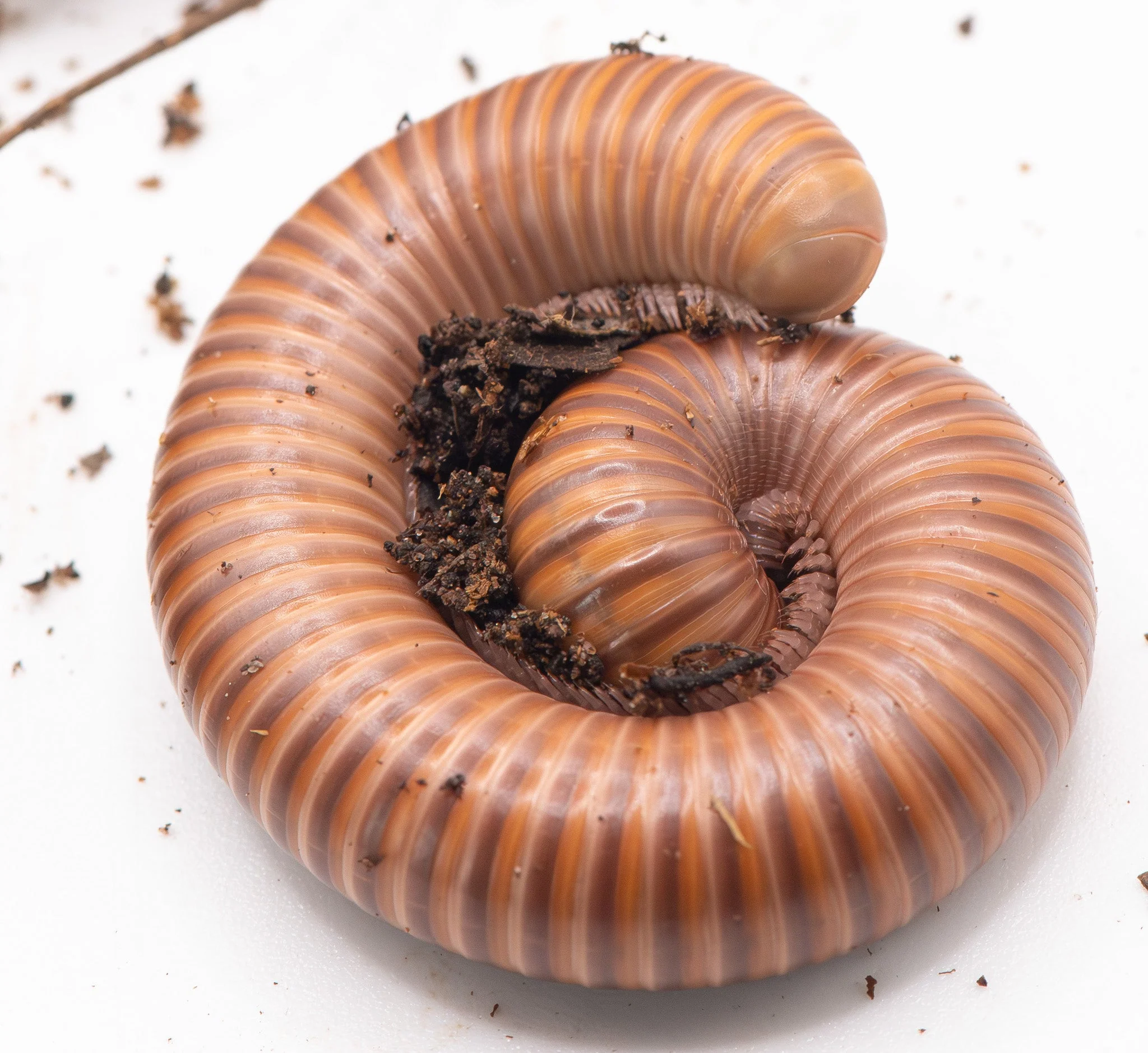
Creating a comfortable environment allows dairy cow isopods to remain active and productive. They perform best when moisture, ventilation, and nutrition remain balanced.
Important Habitat Features
- Moist substrate with areas of slight dryness
- Pieces of bark or wood for shelter and hiding
- Leaf litter for food and natural coverage
- Good airflow to prevent stagnant conditions
- Calcium sources to support healthy exoskeleton growth
- Stable temperatures with moderate humidity levels
Providing varied textures and hiding spots encourages exploration and natural behavior.
Feeding Habits and Nutrition
Dairy cow isopods are excellent decomposers and consume many organic materials found in bioactive habitats. Their diverse diet helps them remain active while also supporting enclosure cleanliness.
Common Food Sources
- Dried leaves
- Vegetable scraps
- Decaying wood material
- Organic plant matter
- Natural calcium supplements
Occasional protein-rich foods may also encourage stronger colony growth and increased activity levels.
Supporting a Balanced Bioactive System
Bioactive habitats rely on small organisms to maintain natural processes, and dairy cow isopods play a major role in that cycle. Their cleaning behavior helps reduce maintenance needs while improving overall enclosure health. Many terrarium enthusiasts appreciate dairy cow isopods for their active movement, striking patterns, and helpful role in bioactive habitats naturally.
Ways They Improve the Environment
- Recycle waste into useful organic matter
- Assist in controlling decomposing buildup
- Encourage healthier soil structure
- Promote natural ecological balance
- Support thriving plant growth conditions
Their presence creates a more dynamic and self-sustaining habitat over time.
A Popular Choice for Natural Enclosures
Dairy cow isopods continue gaining attention because they combine practicality with fascinating behavior. Their striking appearance, active nature, and environmental benefits make them highly valued in bioactive setups. With proper moisture, nutrition, and shelter, these hardworking creatures help create lively habitats that remain cleaner, healthier, and more naturally balanced for long-term enjoyment.