You can have the right fixtures, decent layout, and good stock — and the store still doesn’t feel quite right. Customers walk in, look around, and leave without really engaging. No obvious issue, but something’s off.
In most cases, it comes down to small visual details not lining up.
The Gap Between Product and Presentation
Clothing on a hanger doesn’t always translate well to how it looks when worn. Fit, drape, and proportion get lost. That gap matters more than people think.
If customers can’t quickly understand how something will look on them, they hesitate. And hesitation usually leads to no sale.
That’s where presentation needs to do more work.
Why Realism Makes a Difference
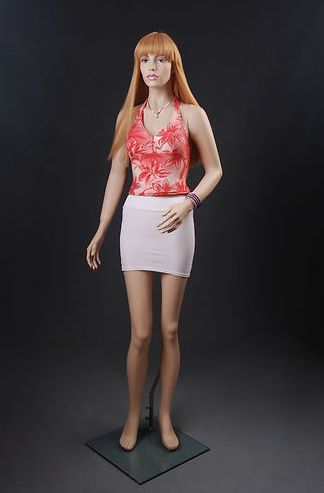
A realistic female mannequin helps close that gap. Not in a dramatic way — just enough to give clothing a natural shape and proportion that feels familiar.
Compared to abstract forms, realistic figures make it easier for customers to picture the outfit on an actual person. You don’t need perfect detail, just enough accuracy to remove uncertainty.
This tends to matter more with:
- fitted garments
- layered outfits
- anything where shape affects the look
Don’t Overthink the Styling
A lot of displays try too hard.
Too many layers, too many accessories, or combinations that look good visually but don’t make sense practically. That disconnect is noticeable.
Keep styling grounded:
- outfits people can actually wear
- simple combinations
- clear purpose for each look
If a customer has to figure out how to simplify an outfit before buying it, you’ve already made it harder than it needs to be.
Placement Changes How It’s Perceived
Where you position mannequins affects how much attention they get.
If they’re tucked into corners or surrounded by clutter, they become background. If they’re placed in open areas with clear sightlines, they stand out without needing anything extra.
You don’t need a lot of them. A few well-placed mannequins do more than a crowded setup.
Keep the Display in Sync With What’s Selling
Displays shouldn’t be static.
If certain items are moving, they should be featured. If something isn’t getting attention, leaving it on display won’t fix that.
Update mannequins based on:
- current stock
- sales trends
- seasonal changes
It doesn’t need to be constant, but it needs to be consistent.
Watch Customer Reactions
You’ll see quickly what works.
If people stop, look, or point things out — the display is doing its job. If they walk past without slowing down, something needs adjusting.
It’s usually not a big change. Small tweaks in outfit choice or positioning are often enough.
Keep It Simple and Clear
Most visual merchandising issues come from trying to do too much.
Too many ideas in one space. Too many items competing for attention. It creates confusion, and confused customers don’t buy.
Focus on clarity. One idea per display, presented in a way that’s easy to understand.
What This Comes Down To
When displays feel off, it’s rarely a major problem. It’s small details adding up.
Getting the basics right — clear presentation, realistic form, and simple styling — makes the store easier to shop without needing a full redesign.